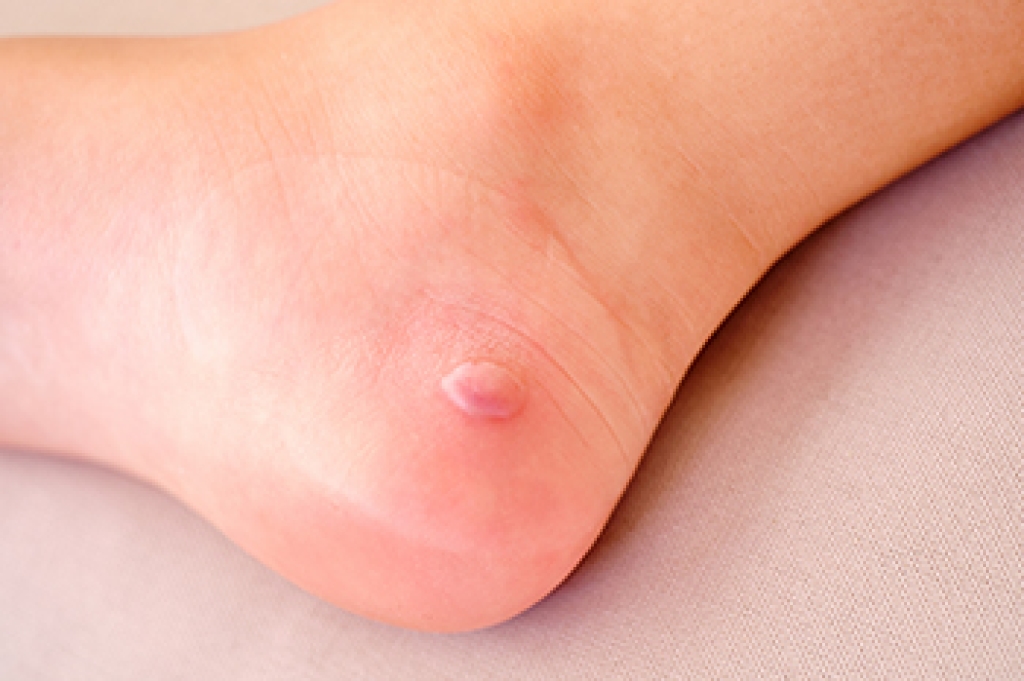
Foot blisters develop when fluid collects beneath the outer layer of skin. This protective pocket forms after repeated rubbing or pressure. Blisters appear on the heels, toes, and soles. Shoes that fit poorly sometimes create friction against sensitive areas. Moisture and prolonged activity increase the chance of irritation. A blister may look like a raised bubble filled with clear fluid. Symptoms include tenderness, redness, and discomfort while walking. Some blisters contain blood after deeper skin tissues become irritated. Although many heal without complications, broken skin creates an opening for infection. Increasing warmth, spreading redness, or cloudy drainage deserves prompt attention. Understanding the cause helps prevent repeated irritation and guides proper foot care.
A podiatrist examines the blister and checks the surrounding skin for damage. The evaluation includes reviewing shoe fit, pressure points, and walking patterns. The podiatrist also asks about recent activities and previous blisters. Treatment depends on the blister's size and condition. An intact blister usually benefits from protection because its outer skin shields the tissue underneath. A podiatrist applies appropriate padding or a protective dressing to reduce pressure. Large or painful blisters sometimes require careful drainage under clean conditions. The podiatrist assesses whether infection is present and provides treatment when necessary. Patients with diabetes or reduced feeling in their feet need careful assessment because injuries may escape notice. Follow-up care helps confirm that the skin is healing properly.
Blisters sometimes make standing at work or walking distances painful. Patients may shift weight away from the affected area, placing extra pressure on other parts of the foot. A podiatrist identifies these changes and recommends suitable protection based on the location of the blister. The examination considers whether repeated friction results from foot shape or shoe fit. Podiatric care focuses on relieving pressure and protecting healthy skin. Follow-up visits allow the podiatrist to check healing and address recurring trouble spots. Persistent pain or worsening redness requires reassessment. Proper treatment supports comfortable movement and lowers the risk of skin damage. If you have developed blisters on your feet, it is suggested that you schedule an appointment with a podiatrist for effective relief and prevention tips.
Blisters may appear as a single bubble or in a cluster. They can cause a lot of pain and may be filled with pus, blood, or watery serum. If your feet are hurting, contact Darlyne Cange, DPM of Cange Podiatry, DPM, PA. Our doctor can provide the care you need to keep you pain-free and on your feet.
Foot Blisters
Foot blisters are often the result of friction. This happens due to the constant rubbing from shoes, which can lead to pain.
What Are Foot Blisters?
A foot blister is a small fluid-filled pocket that forms on the upper-most layer of the skin. Blisters are filled with clear fluid and can lead to blood drainage or pus if the area becomes infected.
Symptoms
(Blister symptoms may vary depending on what is causing them)
- Bubble of skin filled with fluid
- Redness
- Moderate to severe pain
- Itching
Prevention & Treatment
In order to prevent blisters, you should be sure to wear comfortable shoes with socks that cushion your feet and absorb sweat. Breaking a blister open may increase your chances of developing an infection. However, if your blister breaks, you should wash the area with soap and water immediately and then apply a bandage to the affected area. If your blisters cause severe pain it is important that you call your podiatrist right away.
If you have any questions, please feel free to contact our offices located in Glen Burnie and Ellicott City, MD . We offer the newest diagnostic and treatment technologies for all your foot care needs.
