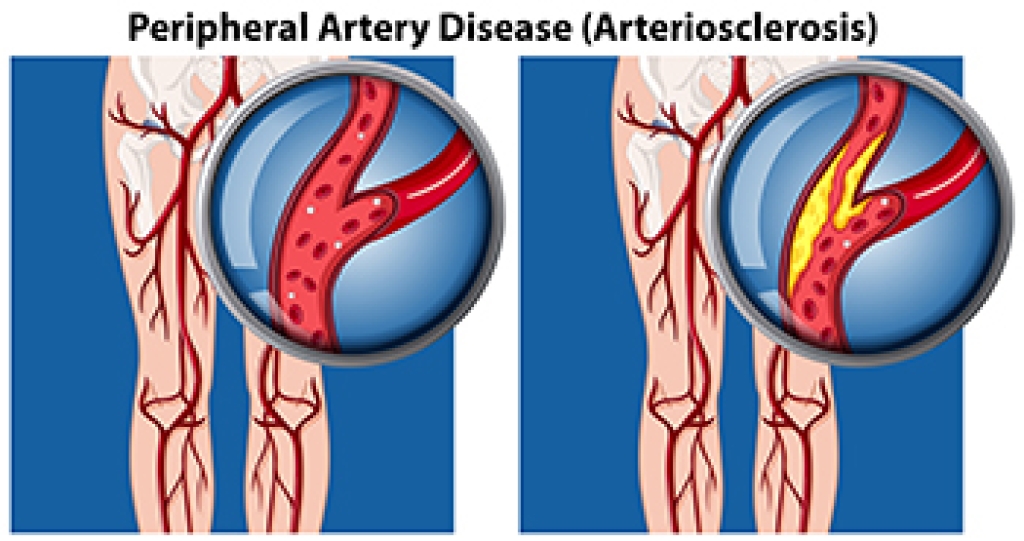
Peripheral artery disease, or PAD, is a circulation disorder that develops when arteries supplying blood to the legs and feet become narrowed or blocked. Reduced blood flow can affect how tissues receive oxygen and nutrients. PAD can develop gradually, so some people do not notice symptoms at first. When symptoms occur, they may include leg or foot pain while walking that improves with rest. Cold feet, numbness, or changes in skin color can also occur. Foot wounds may heal slowly when circulation is reduced.
Several factors can increase the risk of PAD. Smoking is a major risk factor because it damages blood vessels and contributes to artery narrowing. The risk also increases with age and certain health conditions that affect circulation. High blood pressure and high cholesterol can contribute to artery disease. Diabetes is another important risk factor because it can damage blood vessels and nerves. A family history of cardiovascular disease may also increase susceptibility. Recognizing these factors can encourage earlier evaluation.
A podiatrist may examine your feet for changes in skin color, temperature, or wounds. Pulses in the feet can be checked to assess blood flow. If PAD is suspected, your podiatrist may recommend an ankle-brachial index or other vascular testing. Treatment focuses on improving circulation and reducing complications. Severe blockages may require procedures to restore blood flow.
PAD deserves attention because reduced circulation can affect foot health and wound healing. Pay attention to persistent foot discomfort or changes that do not improve. Early evaluation can help identify circulation problems before complications develop. A podiatrist can also help monitor your feet and coordinate care, when needed. If you have symptoms of PAD, it is suggested that you consult a podiatrist for an accurate diagnosis, treatment, and management tips.
Peripheral artery disease can pose a serious risk to your health. It can increase the risk of stroke and heart attack. If you have symptoms of peripheral artery disease, consult with Darlyne Cange, DPM from Cange Podiatry, DPM, PA. Our doctor will assess your condition and provide you with quality foot and ankle treatment.
Peripheral artery disease (PAD) is when arteries are constricted due to plaque (fatty deposits) build-up. This results in less blood flow to the legs and other extremities. The main cause of PAD is atherosclerosis, in which plaque builds up in the arteries.
Symptoms
Symptoms of PAD include:
- Claudication (leg pain from walking)
- Numbness in legs
- Decrease in growth of leg hair and toenails
- Paleness of the skin
- Erectile dysfunction
- Sores and wounds on legs and feet that won’t heal
- Coldness in one leg
It is important to note that a majority of individuals never show any symptoms of PAD.
Diagnosis
While PAD occurs in the legs and arteries, Podiatrists can diagnose PAD. Podiatrists utilize a test called an ankle-brachial index (ABI). An ABI test compares blood pressure in your arm to you ankle to see if any abnormality occurs. Ultrasound and imaging devices may also be used.
Treatment
Fortunately, lifestyle changes such as maintaining a healthy diet, exercising, managing cholesterol and blood sugar levels, and quitting smoking, can all treat PAD. Medications that prevent clots from occurring can be prescribed. Finally, in some cases, surgery may be recommended.
If you have any questions, please feel free to contact our offices located in Glen Burnie and Ellicott City, MD . We offer the newest diagnostic and treatment technologies for all your foot care needs.
