When a Blister Gets Infected

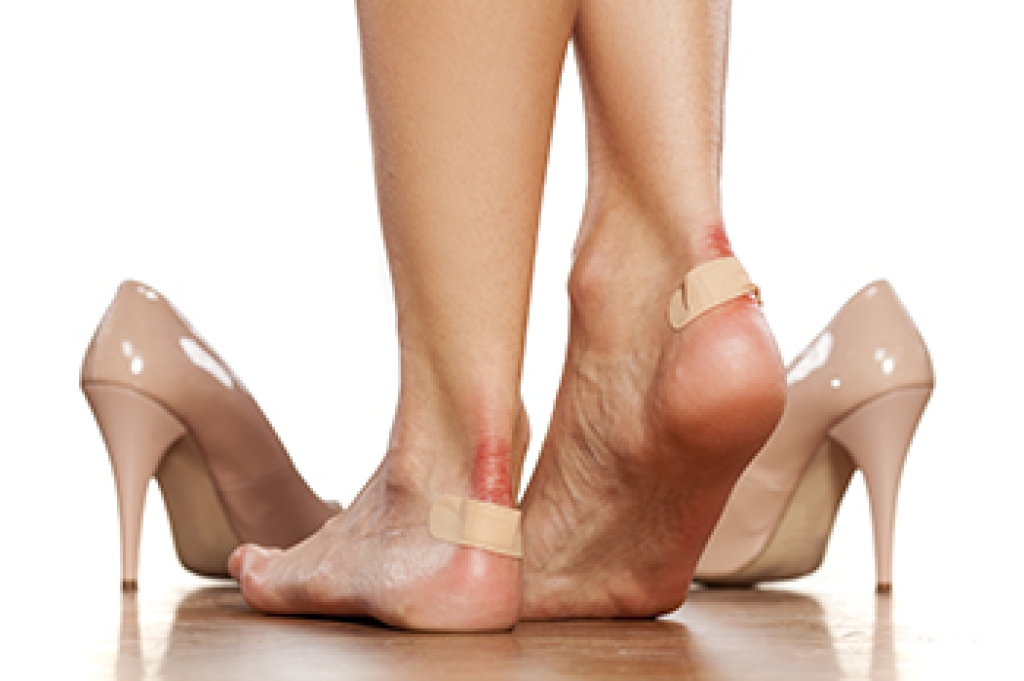
Blisters on the feet are small pockets of fluid that form beneath the skin. They commonly develop when repeated rubbing creates friction between the foot and a shoe. Blisters can also result from burns, allergic reactions, or certain skin conditions. Many people notice blisters on the heels, toes, or the ball of the foot. Symptoms include tenderness, redness, and discomfort when walking. Some blisters remain intact, while others break open and expose the skin underneath. Although many blisters are minor, they can become painful and interfere with daily activities. A podiatrist can recommend the most appropriate treatment to protect the skin and reduce pain. Popping a blister yourself is not recommended, and can cause infection.

An infected blister requires prompt medical attention. Signs of infection include increased pain, swelling, and warmth surrounding the affected area. Redness that spreads beyond the blister is another warning sign. Some infected blisters produce pus or cloudy fluid. More serious infections can cause fever or a general feeling of illness. When bacteria enter an open blister, the infection can spread into nearby tissue. In some cases, a deeper skin infection called cellulitis develops. This is a bacterial infection that causes redness, swelling, and pain. A podiatrist can examine the blister, identify signs of infection, and determine whether prescription medication or specialized wound care is necessary.

Treatment depends on the size, location, and condition of the blister. A podiatrist may safely drain a large blister under sterile conditions, while preserving healthy skin whenever possible. Infected blisters may require medication to control the infection. The podiatrist may also apply protective dressings and monitor the area for proper healing. Patients with diabetes, poor circulation, or weakened immune systems face a greater risk of complications from foot blisters. If you have a painful or infected blister on your foot, it is suggested that you schedule an appointment with a podiatrist for safe and sterile treatment.

Blisters may appear as a single bubble or in a cluster. They can cause a lot of pain and may be filled with pus, blood, or watery serum. If your feet are hurting, contact Darlyne Cange, DPM of Cange Podiatry, DPM, PA. Our doctor can provide the care you need to keep you pain-free and on your feet.

Foot Blisters

Foot blisters are often the result of friction. This happens due to the constant rubbing from shoes, which can lead to pain.

What Are Foot Blisters?

A foot blister is a small fluid-filled pocket that forms on the upper-most layer of the skin. Blisters are filled with clear fluid and can lead to blood drainage or pus if the area becomes infected.

Symptoms

(Blister symptoms may vary depending on what is causing them)

  • Bubble of skin filled with fluid
  • Redness
  • Moderate to severe pain
  • Itching

Prevention & Treatment

In order to prevent blisters, you should be sure to wear comfortable shoes with socks that cushion your feet and absorb sweat. Breaking a blister open may increase your chances of developing an infection. However, if your blister breaks, you should wash the area with soap and water immediately and then apply a bandage to the affected area. If your blisters cause severe pain it is important that you call your podiatrist right away.

If you have any questions, please feel free to contact our offices located in Glen Burnie and Ellicott City, MD . We offer the newest diagnostic and treatment technologies for all your foot care needs.

Read more about Blisters

Explaining How Corns Develop

Corns are small areas of thickened skin that develop when the feet are exposed to repeated pressure or friction. They commonly form on the top and side of the toes or other areas of the foot that rub against shoes. Corns often appear as hard, raised bumps and can become painful, especially when walking, standing, or wearing certain types of shoes. Other symptoms include tenderness, redness, and sensitivity around the affected area. Corns are frequently caused by shoes that fit poorly, but they can also result from foot structure problems that place extra pressure on specific areas. For instance, high arches, hammertoes, or bunions can increase the risk. There are different types of corns, including hard corns, which are typically found on the toes, and soft corns, which develop between the toes where moisture is present. A podiatrist can safely remove painful corns and identify the underlying cause. Recommendations to help prevent corns from returning include footwear changes, padding, or custom orthotics. If you have a painful corn on your foot, it is suggested that you schedule an appointment with a podiatrist for an exam and treatment.

If you have any concerns regarding your feet and ankles, contact Darlyne Cange, DPM of Cange Podiatry, DPM, PA. Our doctor will treat your foot and ankle needs.

Corns: What Are They? and How Do You Get Rid of Them?
Corns can be described as areas of the skin that have thickened to the point of becoming painful or irritating. They are often layers and layers of the skin that have become dry and rough, and are normally smaller than calluses.

Ways to Prevent Corns
There are many ways to get rid of painful corns such as wearing:

  • Well-fitting socks
  • Comfortable shoes that are not tight around your foot
  • Shoes that offer support

Treating Corns
Treatment of corns involves removing the dead skin that has built up in the specific area of the foot. Consult with Our doctor to determine the best treatment option for your case of corns.

If you have any questions, please feel free to contact our offices located in Glen Burnie and Ellicott City, MD . We offer the newest diagnostic and treatment technologies for all your foot care needs.

Read more about Everything You Need to Know About Corns

It's Time for Beautiful Feet

You don't need an excuse to have beautiful nails. Step outside without worrying about the appearance of your feet.

How Achilles Tendon Problems Progress

Achilles tendinopathy is a condition affecting the strong tendon that connects the calf muscles to the heel. Early changes often involve irritation from sudden increases in activity or repeated strain, causing pain, stiffness, and tenderness, especially after movement. If stress continues, the tendon may begin to lose its normal structure, making healing less efficient and symptoms more persistent. Over time, long-standing damage can develop, with thickening, weakness, and ongoing discomfort that may limit walking, exercise, or daily activity. At this stage, the tendon is more vulnerable to serious injury. Because symptoms can worsen gradually, many people delay treatment until the condition becomes harder to manage. A podiatrist can evaluate tendon function, identify contributing movement patterns, and recommend treatment based on how advanced the condition has become. If you have recurring pain or stiffness near the back of the heel, it is strongly suggested that you visit a podiatrist for an evaluation.

Achilles tendon injuries need immediate attention to avoid future complications. If you have any concerns, contact Darlyne Cange, DPM of Cange Podiatry, DPM, PA. Our doctor can provide the care you need to keep you pain-free and on your feet.

What Is the Achilles Tendon?

The Achilles tendon is a tendon that connects the lower leg muscles and calf to the heel of the foot. It is the strongest tendon in the human body and is essential for making movement possible. Because this tendon is such an integral part of the body, any injuries to it can create immense difficulties and should immediately be presented to a doctor.

What Are the Symptoms of an Achilles Tendon Injury?

There are various types of injuries that can affect the Achilles tendon. The two most common injuries are Achilles tendinitis and ruptures of the tendon.

Achilles Tendinitis Symptoms

  • Inflammation
  • Dull to severe pain
  • Increased blood flow to the tendon
  • Thickening of the tendon

Rupture Symptoms

  • Extreme pain and swelling in the foot
  • Total immobility

Treatment and Prevention

Achilles tendon injuries are diagnosed by a thorough physical evaluation, which can include an MRI. Treatment involves rest, physical therapy, and in some cases, surgery. However, various preventative measures can be taken to avoid these injuries, such as:

  • Thorough stretching of the tendon before and after exercise
  • Strengthening exercises like calf raises, squats, leg curls, leg extensions, leg raises, lunges, and leg presses

If you have any questions please feel free to contact our offices located in Glen Burnie and Ellicott City, MD . We offer the newest diagnostic tools and technology to treat your foot and ankle needs.

Read more about Achilles Tendon Injuries

Flat Foot Surgery and What to Consider

Flat feet is a condition where the arch of the foot collapses, causing the sole to rest flat on the ground. This can develop from genetics, tendon dysfunction, injury, or gradual wear. When symptoms like pain, instability, or difficulty walking become severe, foot surgery may be considered. Flat foot reconstruction can involve repairing tendons, realigning bones, or placing supportive implants to restore the arch. The benefits may include improved stability, reduced pain, and better function. However, surgery also carries risks, such as recovery time, swelling, and possible complications. A podiatrist carefully evaluates each case, orders imaging, and determines whether conservative care or surgical correction is appropriate. If flat feet are affecting your mobility or comfort, it is strongly suggested that you visit a podiatrist to explore treatment options.

Foot surgery is sometimes necessary to treat a foot ailment. To learn more, contact Darlyne Cange, DPM of Cange Podiatry, DPM, PA. Our doctor will assist you with all of your foot and ankle needs.

When Is Surgery Necessary?

Foot and ankle surgery is generally reserved for cases in which less invasive, conservative procedures have failed to alleviate the problem. Some of the cases in which surgery may be necessary include:

  • Removing foot deformities like bunions and bone spurs
  • Severe arthritis that has caused bone issues
  • Cosmetic reconstruction

What Types of Surgery Are There?

The type of surgery you receive will depend on the nature of the problem you have. Some of the possible surgeries include:

  • Bunionectomy for painful bunions
  • Surgical fusion for realignment of bones
  • Neuropathy decompression surgery to treat nerve damage

Benefits of Surgery

Although surgery is usually a last resort, it can provide more complete pain relief compared to non-surgical methods and may allow you to finally resume full activity.

Surgical techniques have also become increasingly sophisticated. Techniques like endoscopic surgery allow for smaller incisions and faster recovery times.

If you have any questions, please feel free to contact our offices located in Glen Burnie and Ellicott City, MD . We offer the newest diagnostic and treatment technologies for all your foot care needs.

Read more about Foot and Ankle Surgery

Connect With Us

Advanced Podiatric Procedures & Services in the Anne Arundel County, MD: Glen Burnie, Severna Park, Pasadena, Linthicum, Crofton, Arnold, Annapolis, Hanover, Howard County, MD: Ellicott City, Columbia, Elkridge, Laurel, Savage, Baltimore County, MD: Catonsville, Arbutus, Towson, Pikesville, Woodlawn areas