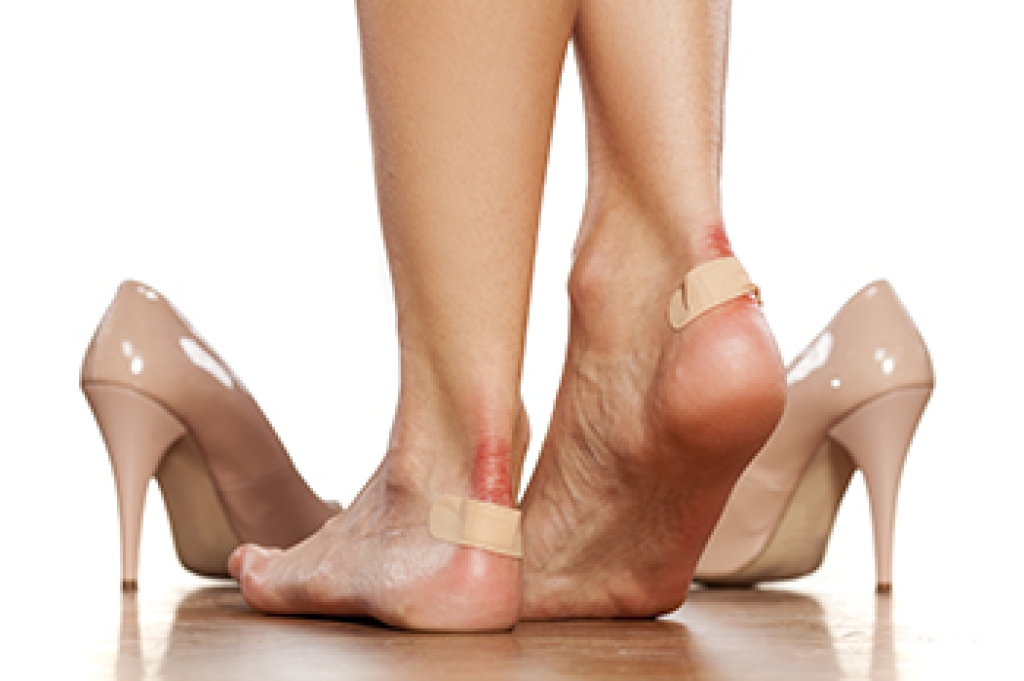
Why Toenail Fungus Develops More Easily in Some People

Onychomycosis is the medical term for a fungal infection that affects the toenails, often causing thickening, discoloration, crumbling, or changes in nail shape. While anyone can develop this condition, some individuals are more likely to experience it because of underlying health concerns or environmental exposure. Reduced circulation, diabetes, repeated nail trauma, and increasing age may make the nails more vulnerable to infection. People who frequently wear tight shoes, have excessive foot perspiration, or spend time in shared damp spaces such as locker rooms may also face a greater chance of developing fungal nail problems. Athlete’s foot, which is a fungal skin infection affecting the feet, can sometimes spread into the nails, if left untreated. A podiatrist can confirm whether nail changes are caused by fungus or another condition, and recommend proper treatment. If your toenails become thickened, brittle, or discolored, it is suggested that you visit a podiatrist for an evaluation and appropriate treatment.

For more information about treatment, contact Darlyne Cange, DPM of Cange Podiatry, DPM, PA. Our doctor can provide the care you need to keep you pain-free and on your feet.

Toenail Fungus Treatment

Toenail fungus is a condition that affects many people and can be especially hard to get rid of. Fortunately, there are several methods to go about treating and avoiding it.

Antifungals & Deterrence

Oral antifungal medicine has been shown to be effective in many cases. It is important to consult with a podiatrist to determine the proper regiment for you, or potentially explore other options.

Applying foot powder on the feet and shoes helps keep the feet free of moisture and sweat.

Sandals or open toed shoes – Wearing these will allow air movement and help keep feet dry. They also expose your feet to light, which fungus cannot tolerate. Socks with moisture wicking material also help as well.

If you have any questions please contact our offices located in Glen Burnie and Ellicott City, MD . We offer the newest diagnostic and treatment technologies for all your foot and ankle needs.

Read more about Treating Toenail Fungus

Reminder: When Was the Last Time...?

Custom orthotics, or shoe inserts, should be periodically replaced. Orthotics must fit properly to give you the best results. Protect your feet and ankles!

Healthy Feet for a Happy Life

Foot pain can affect people of all ages and make everyday activities more difficult. Because each foot contains many bones, joints, muscles, and ligaments, discomfort can develop from a wide range of problems. Pain may appear suddenly after an injury or develop gradually because of repeated stress on the feet. Common causes include plantar fasciitis, arthritis, and tendon injuries. Bunions, nerve problems, and stress fractures may also contribute to ongoing discomfort. Foot pain can interfere with walking, standing, and exercise, which may reduce overall mobility and quality of life. Since many conditions produce similar symptoms, a professional evaluation is important to determine the cause and recommend the most appropriate treatment. Early podiatry care may also help prevent minor problems from becoming more serious.


Symptoms vary depending on the underlying condition and the part of the foot involved. Many people experience aching, swelling, or stiffness that limits normal movement. Others notice burning pain or tenderness that becomes worse during daily activities. Some conditions cause pain in the heel, while others affect the arch or the ball of the foot. Changes in foot structure or walking patterns may place additional stress on surrounding tissues, leading to discomfort in other areas of the foot and ankle. Persistent foot pain should not be ignored because untreated problems may affect balance, mobility, and overall foot function. Identifying the source of pain early allows treatment to begin before symptoms continue to progress.


A podiatrist specializes in diagnosing and treating foot pain by identifying the underlying cause of discomfort and creating an individualized treatment plan. During an examination, the podiatrist evaluates foot structure, joint function, and walking mechanics to determine what is contributing to the symptoms. Treatment focuses on reducing pain, improving mobility, and restoring healthy foot function. Early podiatry care may also help patients remain active and reduce the risk of long-term complications. If you are experiencing ongoing foot pain or difficulty walking, it is suggested that you consult a podiatrist for an evaluation and appropriate treatment options.

Everyday foot care is very important to prevent infection and other foot ailments. If you need your feet checked, contact Darlyne Cange, DPM from Cange Podiatry, DPM, PA. Our doctor can provide the care you need to keep you pain-free and on your feet.

Everyday Foot Care

Often, people take care of their bodies, face and hair more so than they do for their feet. But the feet are a very important aspect of our bodies, and one that we should pay more attention to. Without our feet, we would not be able to perform most daily tasks.

It is best to check your feet regularly to make sure there are no new bruises or cuts that you may not have noticed before. For dry feet, moisturizer can easily be a remedy and can be applied as often as necessary to the affected areas. Wearing shoes that fit well can also help you maintain good foot health, as well as making it easier to walk and do daily activities without the stress or pain of ill-fitting shoes, high heels, or even flip flops. Wearing clean socks with closed shoes is important to ensure that sweat and bacteria do not accumulate within the shoe. Clean socks help to prevent Athlete’s foot, fungi problems, bad odors, and can absorb sweat.

If you have any questions, please feel free to contact our offices located in Glen Burnie and Ellicott City, MD . We offer the newest diagnostic and treatment technologies for all your foot care needs.
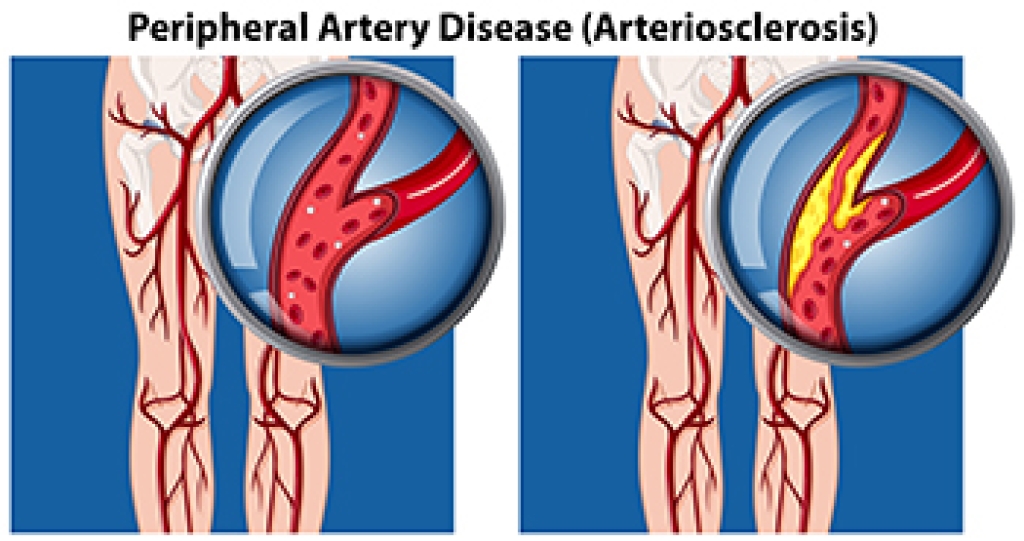
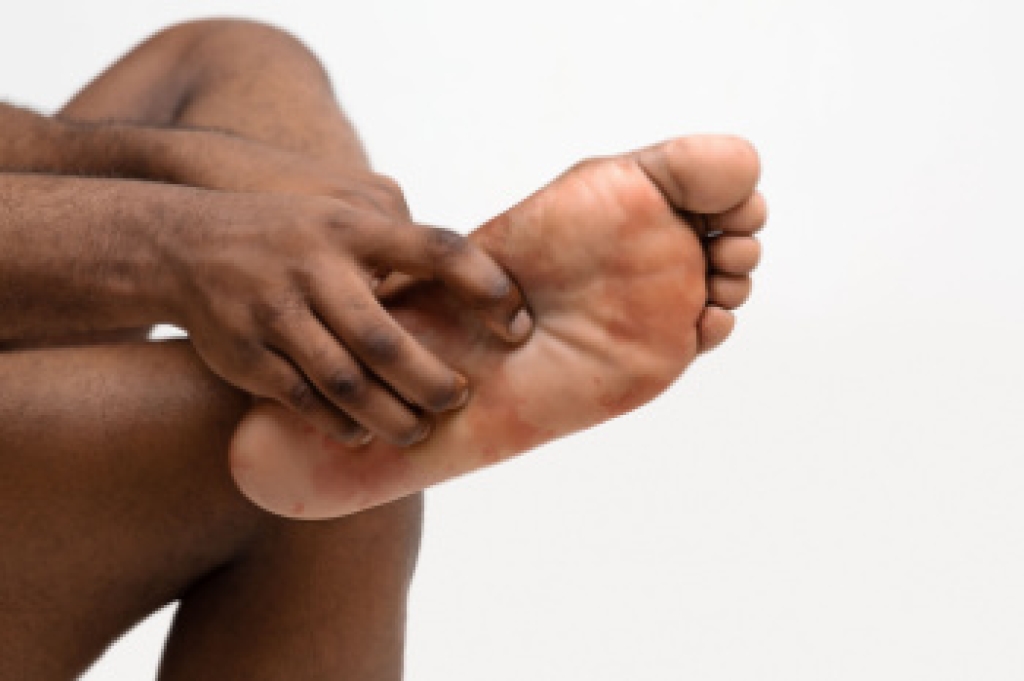
Read more about Every Day Foot Care

What You Need to Know About Heel Spurs

Heel spurs are bony growths that develop on the underside of the heel bone due to long-term stress and strain on the foot. They are often associated with plantar fascia irritation, where the connective tissue that supports the arch becomes inflamed. Over time, the body responds by depositing calcium, leading to the formation of a spur. While not all heel spurs cause pain, their presence can contribute to discomfort during daily movement.

Symptoms of heel spurs vary depending on severity and activity level. Many individuals describe a sharp, stabbing pain in the heel, especially with the first steps in the morning. Others report a dull ache that worsens after prolonged standing or walking. Swelling, tenderness, and localized inflammation may also be present. Risk factors include repetitive impact, poor foot mechanics, and wearing unsupportive footwear. Individuals who spend long hours on their feet are more likely to experience these symptoms.

The causes of heel spurs are typically linked to repetitive stress and strain. Activities such as running, walking on hard surfaces, or standing for extended periods of time can place continuous pressure on the heel. Wearing improper footwear that lacks arch support can increase tension on the plantar fascia. Additional risk factors include excess body weight, tight calf muscles, and flat feet or high arches. These conditions place extra stress on the heel and contribute to spur formation.

The key takeaway is that heel spurs develop over time due to repeated strain, but early care can reduce pain and prevent progression. Wearing supportive shoes, stretching, and activity modification play a major role in managing symptoms. Recognizing the warning signs allows for timely intervention and better outcomes. Heel pain is uncomfortable, and may affect daily activities. If this applies to you, it is suggested that you consult a podiatrist who can accurately diagnose and treat heel spurs.

Heel spurs can be incredibly painful and sometimes may make you unable to participate in physical activities. To get medical care for your heel spurs, contact Darlyne Cange, DPM from Cange Podiatry, DPM, PA. Our doctor will do everything possible to treat your condition.

Heels Spurs

Heel spurs are formed by calcium deposits on the back of the foot where the heel is. This can also be caused by small fragments of bone breaking off one section of the foot, attaching onto the back of the foot. Heel spurs can also be bone growth on the back of the foot and may grow in the direction of the arch of the foot.

Older individuals usually suffer from heel spurs and pain sometimes intensifies with age. One of the main condition's spurs are related to is plantar fasciitis.

Pain

The pain associated with spurs is often because of weight placed on the feet. When someone is walking, their entire weight is concentrated on the feet. Bone spurs then have the tendency to affect other bones and tissues around the foot. As the pain continues, the feet will become tender and sensitive over time.

Treatments

There are many ways to treat heel spurs. If one is suffering from heel spurs in conjunction with pain, there are several methods for healing. Medication, surgery, and herbal care are some options.

If you have any questions, please feel free to contact our offices located in Glen Burnie and Ellicott City, MD . We offer the newest diagnostic and treatment technologies for all your foot care needs.

Read more about Heel Spurs

Heel Pain May Indicate Sever’s Disease

Sever’s disease is a painful heel condition that affects growing children, especially those who participate in running or jumping sports. It is not a disease in the usual sense but an irritation of the heel’s growth plate, which is the area where new bone is still forming. This growth plate sits at the back of the heel bone, near where the Achilles tendon attaches. When a child runs, jumps, or lands hard, repeated pulling and pressure can irritate this area. Soccer, basketball, gymnastics, and football can place extra stress on the heel.

Heel pain from Sever’s disease usually develops slowly. A child may describe the pain as feeling like a bruise at the back or bottom of the heel. The pain is usually worse with sports, running in cleats, or wearing shoes that lack adequate support. Swelling and bruising are not always seen. Some children limp, walk on their toes, or stop wanting to play. Tight calf muscles, flat feet, and high-arched feet can increase stress on the heel. A podiatrist can examine the heel, check the foot structure, and look at how the child walks.

Diagnosis does not rely on symptoms alone. A podiatrist can tell whether the pain is from Sever’s disease or another problem. X-rays can be ordered to check bone growth and rule out other causes of heel pain. A stress fracture, tendon irritation, or a bone cyst may produce similar symptoms. Treatment of Sever’s disease includes shoe changes, heel lifts, custom orthotics, and activity guidance based on the child’s exam. A podiatrist can also address tight calf muscles and foot mechanics that add strain to the heel. If your active child complains of heel pain, it is suggested that you schedule an appointment with a podiatrist for a diagnosis and effective relief tips.

Sever's disease often occurs in children and teens. If your child is experiencing foot or ankle pain, see Darlyne Cange, DPM from Cange Podiatry, DPM, PA. Our doctor can treat your child’s foot and ankle needs.

Sever’s Disease

Sever’s disease is also known as calcaneal apophysitis, which is a medical condition that causes heel pain I none or both feet. The disease is known to affect children between the ages of 8 and 14.

Sever’s disease occurs when part of the child’s heel known as the growth plate (calcaneal epiphysis) is attached to the Achilles tendon. This area can suffer injury when the muscles and tendons of the growing foot do not keep pace with bone growth. Therefore, the constant pain which one experiences at the back of the heel will make the child unable to put any weight on the heel. The child is then forced to walk on their toes.

Symptoms

Acute pain – Pain associated with Sever’s disease is usually felt in the heel when the child engages in physical activity such as walking, jumping and or running.

Highly active – Children who are very active are among the most susceptible in experiencing Sever’s disease, because of the stress and tension placed on their feet.

If you have any questions, please feel free to contact our offices located in Glen Burnie and Ellicott City, MD . We offer the newest diagnostic and treatment technologies for all your foot care needs.
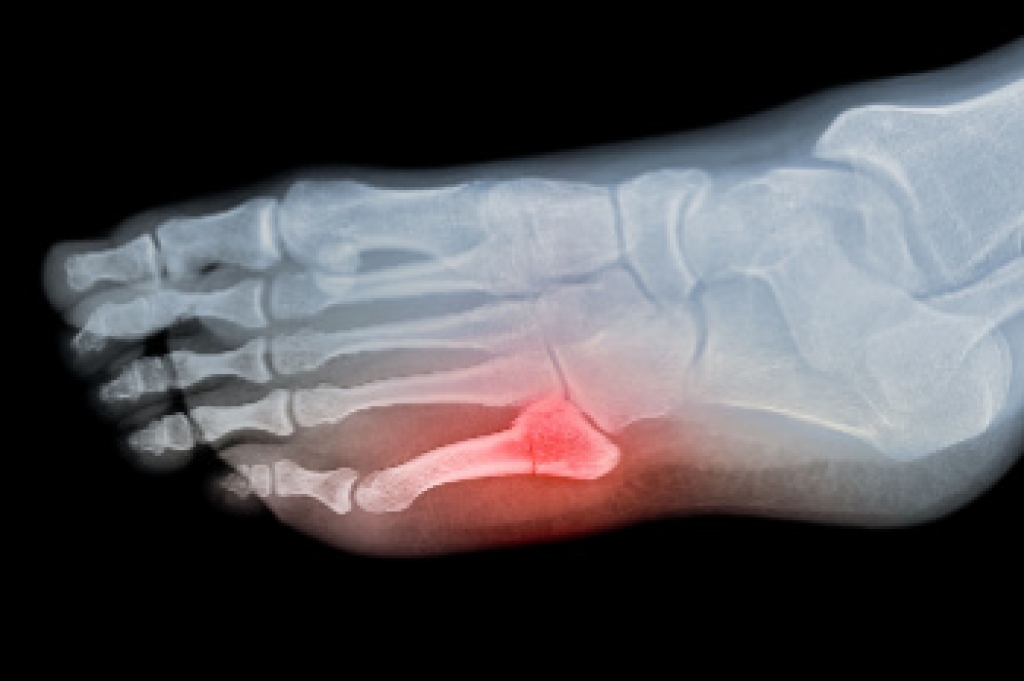
Read more about Sever's Disease

Connect With Us

Advanced Podiatric Procedures & Services in the Anne Arundel County, MD: Glen Burnie, Severna Park, Pasadena, Linthicum, Crofton, Arnold, Annapolis, Hanover, Howard County, MD: Ellicott City, Columbia, Elkridge, Laurel, Savage, Baltimore County, MD: Catonsville, Arbutus, Towson, Pikesville, Woodlawn areas