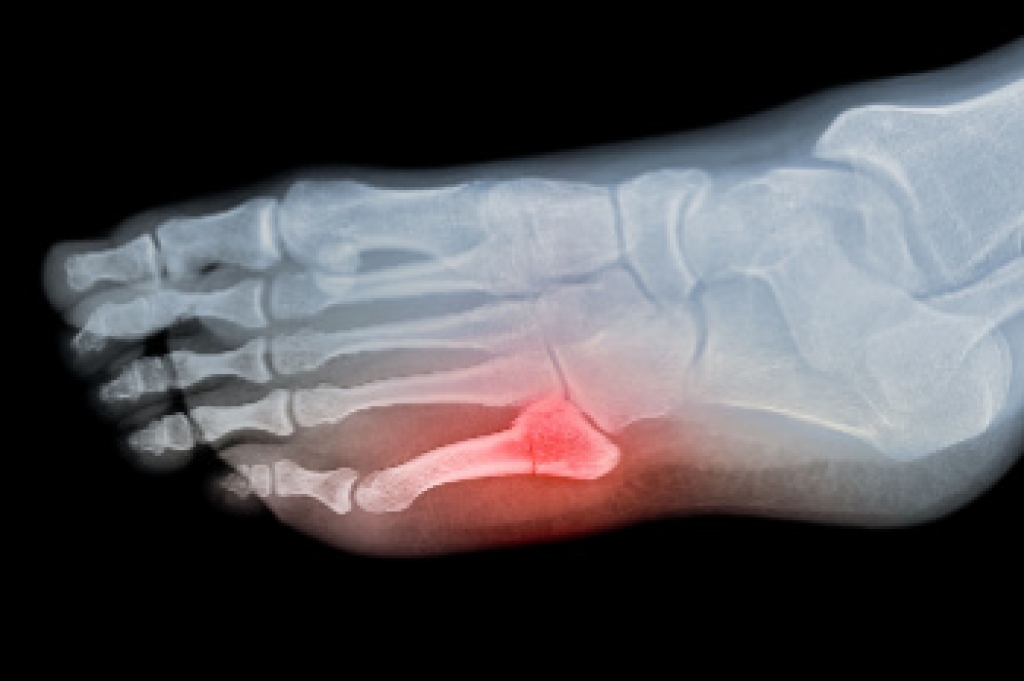
What Is a Foot Corn?

A foot corn is a thickened area of skin that forms in response to repeated pressure or friction. A corn often develops on the toes or sides of the feet and becomes painful when walking or wearing tight shoes. Corns can be caused by wearing ill-fitting shoes, abnormal foot structure, or repeated rubbing against a shoe surface. Risk factors include spending long hours on your feet, wearing high heels, or having foot deformities that alter pressure points. A podiatrist can safely remove corns, address the underlying cause, and offer guidance on proper footwear and preventative care. A foot corn can be painful and can cause difficulty completing daily tasks. If you have this condition, it is suggested that you consult a podiatrist who can offer relief and prevention tips.

If you have any concerns regarding your feet and ankles, contact Darlyne Cange, DPM of Cange Podiatry, DPM, PA. Our doctor will treat your foot and ankle needs.

Corns: What Are They? and How Do You Get Rid of Them?
Corns can be described as areas of the skin that have thickened to the point of becoming painful or irritating. They are often layers and layers of the skin that have become dry and rough, and are normally smaller than calluses.

Ways to Prevent Corns
There are many ways to get rid of painful corns such as wearing:

  • Well-fitting socks
  • Comfortable shoes that are not tight around your foot
  • Shoes that offer support

Treating Corns
Treatment of corns involves removing the dead skin that has built up in the specific area of the foot. Consult with Our doctor to determine the best treatment option for your case of corns.

If you have any questions, please feel free to contact our offices located in Glen Burnie and Ellicott City, MD . We offer the newest diagnostic and treatment technologies for all your foot care needs.

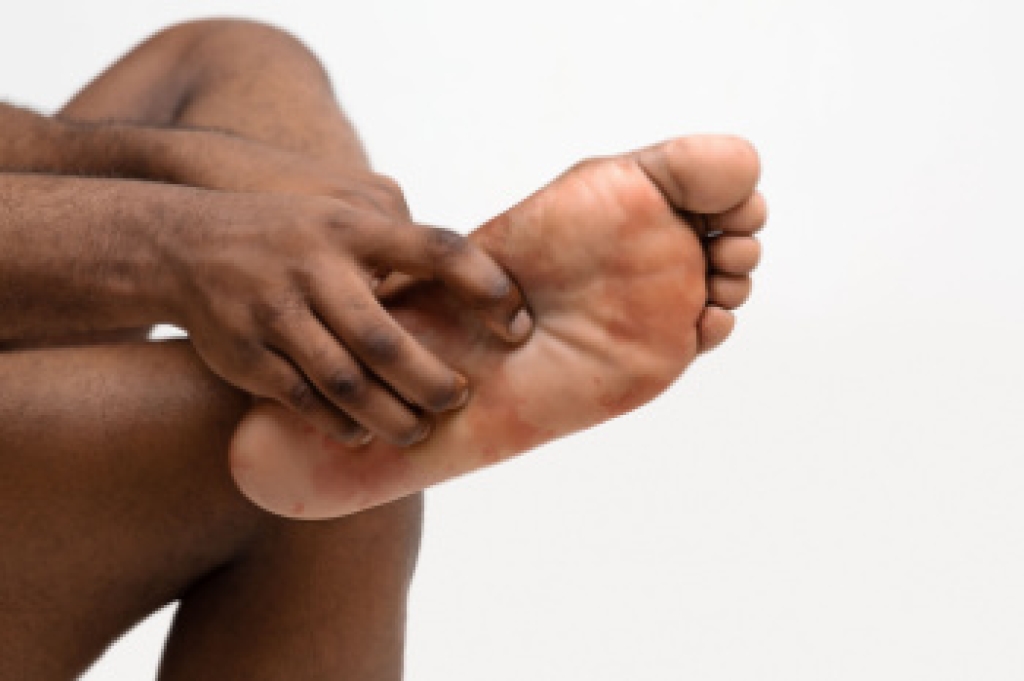
Read more about Corns: What Are They, and How Do You Get Rid of Them

Effective Stretches for Foot Pain Relief

Foot pain can be caused by various factors such as tight muscles, plantar fasciitis, or overuse. To alleviate discomfort, stretching the feet can be a highly effective solution. One of the simplest stretches is the toe stretch, where you sit and pull your toes gently towards your shin, helping to release tension in the foot’s arch and toes. Another effective stretch is the calf stretch, which involves standing facing a wall, placing one foot behind the other, and leaning into the wall to stretch the calf muscles, which can often contribute to foot pain. The plantar fascia stretch can be done by sitting and using a towel or band around the foot to pull the toes back toward you. Regularly incorporating these stretches can help relieve foot pain, improve flexibility, and prevent future discomfort. If you have foot pain, it is suggested that you contact a podiatrist who can treat various foot conditions, and guide you on effective foot stretches.

Stretching the feet is a great way to prevent injuries. If you have any concerns with your feet consult with Darlyne Cange, DPM  from Cange Podiatry, DPM, PA. Our doctor will assess your condition and provide you with quality foot and ankle treatment.

Stretching the Feet

Stretching the muscles in the foot is an important part in any physical activity. Feet that are tight can lead to less flexibility and make you more prone to injury. One of the most common forms of foot pain, plantar fasciitis, can be stretched out to help ease the pain. Stretching can not only ease pain from plantar fasciitis but also prevent it as well. However, it is important to see a podiatrist first if stretching is right for you. Podiatrists can also recommend other ways to stretch your feet. Once you know whether stretching is right for you, here are some excellent stretches you can do.

  • Using a foam roller or any cylindrical object (a water bottle or soda can will do), roll the object under your foot back and forth. You should also exert pressure on the object. Be sure to do this to both feet for a minute. Do this exercise three times each.
  • Similar to the previous one, take a ball, such as a tennis ball, and roll it under your foot while seated and exert pressure on it.
  • Grab a resistance band or towel and take a seat. If you are using a towel, fold it length wise. Next put either one between the ball of your foot and heel and pull with both hands on each side towards you. Hold this for 15 seconds and then switch feet. Do this three times for each foot.
  • Finally hold your big toe while crossing one leg over the other. Pull the toe towards you and hold for 15 seconds. Once again do this three times per foot.

It is best to go easy when first stretching your foot and work your way up. If your foot starts hurting, stop exercising and ice and rest the foot. It is advised to then see a podiatrist for help.

If you have any questions please contact our offices located in Glen Burnie and Ellicott City, MD . We offer the newest diagnostic and treatment technologies for all your foot and ankle needs.

Read more about How to Stretch Your Feet

Are Bunions Affecting Your Everyday Life?

Have you noticed a bony protrusion on the side of your big toe? If so, you may have developed the foot condition known as a bunion. Don't let bunions interfere with your daily activities.

The Appearance of Plantar Warts

Plantar warts are small growths that develop on the bottom of the feet, often on the heels or toes, where pressure and friction occur. They are caused by the human papillomavirus, which enters the skin through tiny cuts or breaks. These warts may appear as rough, grainy bumps with black pinpoints and can cause pain or discomfort when walking or standing. Because they can spread or become persistent, professional care is important. A podiatrist can accurately diagnose plantar warts, remove them safely, and provide treatment to prevent recurrence. If you have pain or notice unusual spots on your heels or toes, it is suggested that you consult a podiatrist for an expert evaluation and appropriate treatment solutions. 

Plantar warts can be very uncomfortable. If you need your feet checked, contact Darlyne Cange, DPM from Cange Podiatry, DPM, PA. Our doctor will assist you with all of your foot and ankle needs.

About Plantar Warts

Plantar warts are the result of HPV, or human papillomavirus, getting into open wounds on the feet. They are mostly found on the heels or balls of the feet.

While plantar warts are generally harmless, those experiencing excessive pain or those suffering from diabetes or a compromised immune system require immediate medical care. Plantar warts are easily diagnosed, usually through scraping off a bit of rough skin or by getting a biopsy.

Symptoms

  • Lesions on the bottom of your feet, usually rough and grainy
  • Hard or thick callused spots
  • Wart seeds, which are small clotted blood vessels that look like little black spots
  • Pain, discomfort, or tenderness of your feet when walking or standing

Treatment

  • Freezing
  • Electric tool removal
  • Laser Treatment
  • Topical Creams (prescription only)
  • Over-the-counter medications

To help prevent developing plantar warts, avoid walking barefoot over abrasive surfaces that can cause cuts or wounds for HPV to get into. Avoiding direct contact with other warts, as well as not picking or rubbing existing warts, can help prevent the further spread of plantar warts. However, if you think you have developed plantar warts, speak to your podiatrist. He or she can diagnose the warts on your feet and recommend the appropriate treatment options.

If you have any questions, please feel free to contact our offices located in Glen Burnie and Ellicott City, MD . We offer the newest diagnostic and treatment technologies for all your foot care needs.

Read more about All About Plantar Warts

Swollen Feet and Ankles and When to Seek Podiatric Care

Swollen feet and ankles occur when excess fluid accumulates in the lower limbs, a condition known as edema. This swelling can cause discomfort, tightness, or a heavy sensation in the legs. Common causes include blood clots, venous insufficiency, varicose veins, and prolonged standing or sitting, all of which can affect circulation and lead to fluid retention or more serious complications if untreated. A podiatrist can determine the underlying cause with a thorough physical examination, imaging studies, and lab testing to check for conditions like kidney, liver, or heart issues that may contribute to swelling. Treatment may include compression therapy, lifestyle modifications, and custom orthotics to improve circulation. If your feet and ankles have become swollen, it is suggested that you consult a podiatrist who can determine the cause is, and offer relief and treatment solutions.

Swollen feet can be a sign of an underlying condition. If you have any concerns, contact Darlyne Cange, DPM of Cange Podiatry, DPM, PA. Our doctor can provide the care you need to keep you pain-free and on your feet.

Swollen feet are a common ailment among pregnant women and people who stand or sit for extended periods. Aging may increase the possibility of swollen feet and patients who are obese often notice when their feet are swelling too. There may be medical reasons why swollen feet occur:

  • Phlebitis - A condition that causes the veins to become inflamed and can also cause leg pain.
  • Liver disease - This may lead to low blood levels of albumin which is a protein. This can cause fluid in the blood to pass into the tissues and several areas of the body can become swollen.
  • Heart failure - When the heart doesn’t pump properly the blood that is normally pumped back to the heart can pool in the veins of the legs causing swollen feet.
  • Kidney disease - One of the main functions of the kidneys is releasing excess fluid in the body. This type of condition can make it difficult for the kidneys to function properly, and as a result the feet may become swollen.
  • Deep-vein thrombosis (DVT)- This is a serious condition where blood clots form in the veins of the legs. They can block the return of blood from the legs to the heart which may cause the feet to swell. It is important to be treated by a podiatrist if this condition is present.

Swollen feet can also be caused by bone and tendon conditions, including fractures, arthritis, and tendinitis. Additionally, there may be skin and toenail conditions and an infection may cause the feet to swell. Patients who take medicine to treat high blood pressure may be prone to getting swollen feet. 

Many patients elevate their feet to help relieve the swelling and this is generally a temporary remedy. When a podiatrist is consulted the reason behind the swelling can be uncovered and subsequently treated.

If you have any questions please contact our offices located in Glen Burnie and Ellicott City, MD . We offer the newest diagnostic and treatment technologies for all your foot and ankle needs.

Read more about Swelling of the Feet

Connect With Us

scroll to top