Causes and Symptoms of Cuboid Syndrome

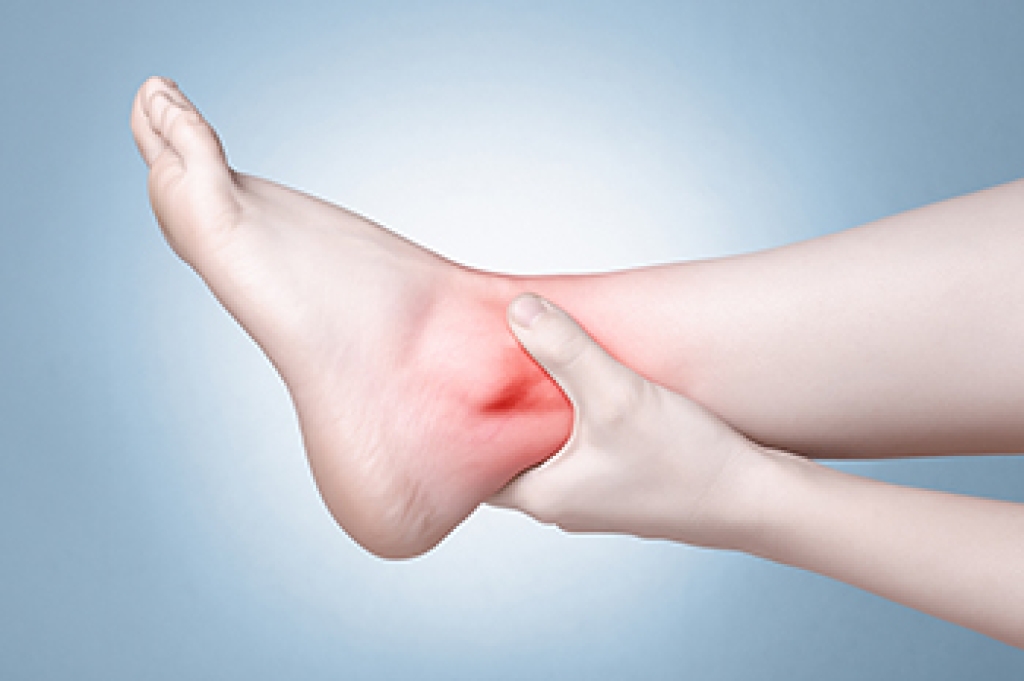
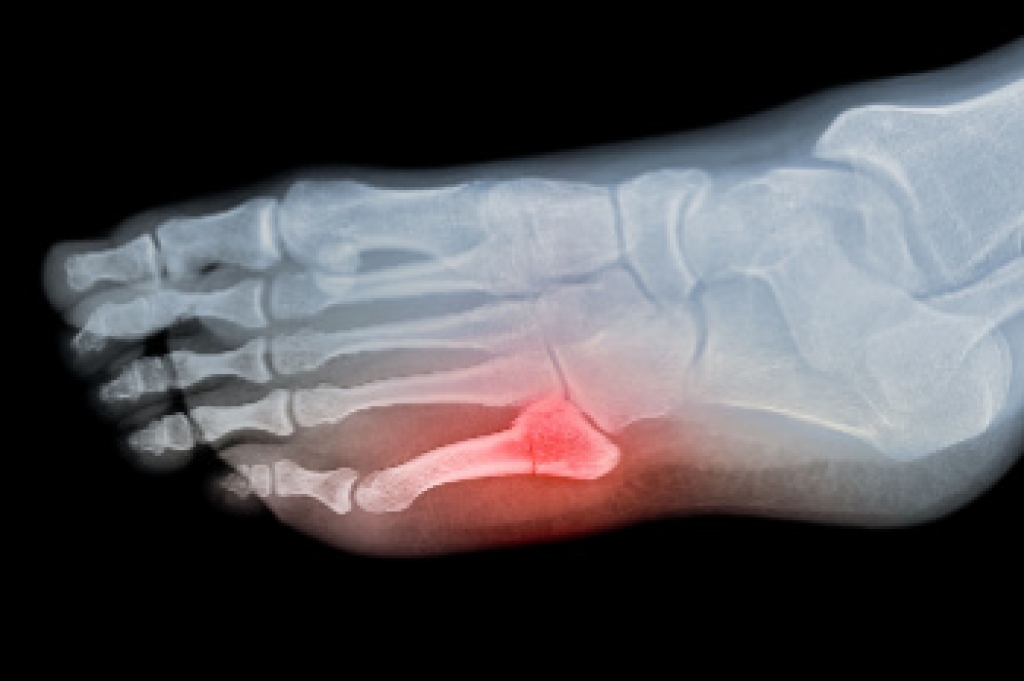
Cuboid syndrome is a foot condition that results from a subtle injury to the calcaneocuboid joint, on the outer side of the midfoot, where the heel bone meets the cuboid bone, and leading to pain along the outer side of the foot and difficulty with normal walking. It often develops after an ankle sprain, overuse, or repetitive strain that affects joint alignment and surrounding soft tissues. Common symptoms include pain, tenderness, swelling, and discomfort that worsens with weight-bearing activity. Risk factors include high impact sports, flat feet, wearing improper footwear, and previous foot or ankle injuries. A podiatrist can diagnose cuboid syndrome through clinical evaluation and restore joint alignment with manual techniques, along with recommending supportive footwear and orthotics. If you have pain on the outside of your foot, it is suggested that you consult a podiatrist to relieve discomfort and prevent ongoing instability.

Cuboid syndrome, also known as cuboid subluxation, occurs when the joints and ligaments near the cuboid bone in the foot become torn. If you have cuboid syndrome, consult with Darlyne Cange, DPM  from Cange Podiatry, DPM, PA. Our doctor will assess your condition and provide you with quality foot and ankle treatment.

Cuboid syndrome is a common cause of lateral foot pain, which is pain on the outside of the foot. The condition may happen suddenly due to an ankle sprain, or it may develop slowly overtime from repetitive tension through the bone and surrounding structures.

Causes

The most common causes of cuboid syndrome include:

  • Injury – The most common cause of this ailment is an ankle sprain.
  • Repetitive Strain – Tension placed through the peroneus longus muscle from repetitive activities such as jumping and running may cause excessive traction on the bone causing it to sublux.
  • Altered Foot Biomechanics – Most people suffering from cuboid subluxation have flat feet.

Symptoms

A common symptom of cuboid syndrome is pain along the outside of the foot which can be felt in the ankle and toes. This pain may create walking difficulties and may cause those with the condition to walk with a limp.

Diagnosis

Diagnosis of cuboid syndrome is often difficult, and it is often misdiagnosed. X-rays, MRIs and CT scans often fail to properly show the cuboid subluxation. Although there isn’t a specific test used to diagnose cuboid syndrome, your podiatrist will usually check if pain is felt while pressing firmly on the cuboid bone of your foot.

Treatment

Just as the range of causes varies widely, so do treatments. Some more common treatments are ice therapy, rest, exercise, taping, and orthotics.

If you have any questions, please feel free to contact our offices located in Glen Burnie and Ellicott City, MD . We offer the newest diagnostic and treatment technologies for all your foot care needs.

Read more about All About Cuboid Syndrome

Pressure Points and Protective Skin

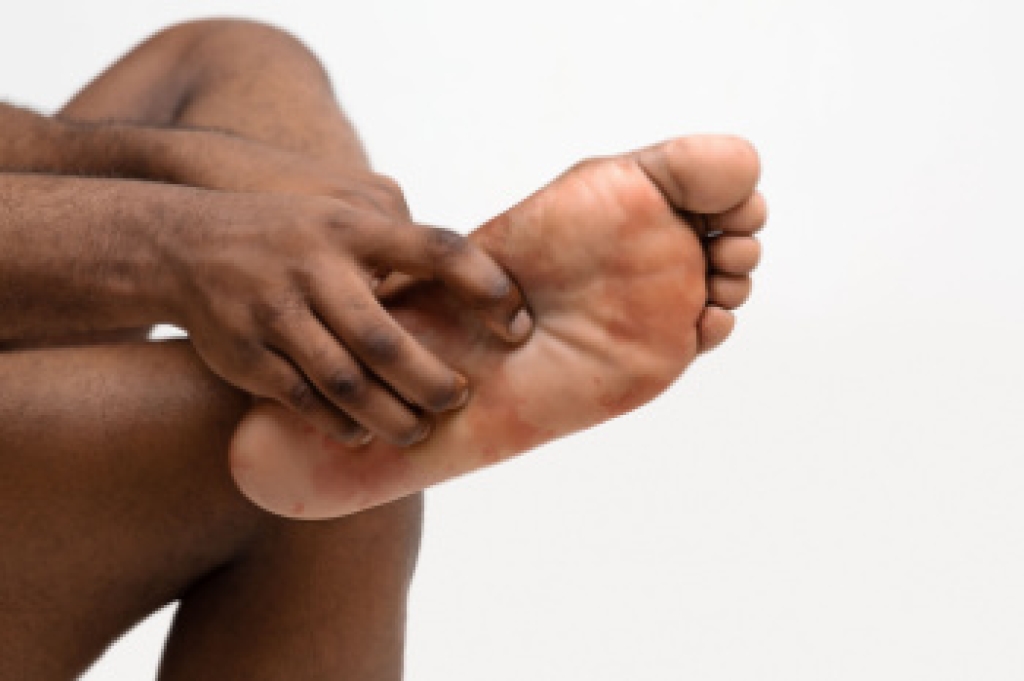
Corns and callouses both develop as the skin responds to repeated friction or pressure, yet they differ in important ways. Corns are small, round areas of thickened skin with a hard center, often forming on toes where shoes rub. Callouses are broader, flatter patches that appear on weight-bearing areas like heels or balls of the feet. Corns may look raised and feel sharp or burning, whereas calluses tend to look yellowish and do not generally cause pain. Common causes include ill-fitting footwear, foot structure, and walking patterns. A podiatrist begins with a thorough examination to confirm the diagnosis and rule out warts or infection. Treatment options include safe and sterile removal of the corn, custom padding or orthotics, and recommended footwear changes to reduce pressure. Early care can prevent worsening pain and complications. If you have painful corns, it is suggested that you make an appointment with a podiatrist.

Corns can make walking very painful and should be treated immediately. If you have questions regarding your feet and ankles, contact Darlyne Cange, DPM of Cange Podiatry, DPM, PA. Our doctor will treat your foot and ankle needs.

Corns: What Are They? And How Do You Get Rid of Them?
Corns are thickened areas on the skin that can become painful. They are caused by excessive pressure and friction on the skin. Corns press into the deeper layers of the skin and are usually round in shape.

Ways to Prevent Corns
There are many ways to get rid of painful corns such as:

  • Wearing properly fitting shoes that have been measured by a professional
  • Wearing shoes that are not sharply pointed or have high heels
  • Wearing only shoes that offer support

Treating Corns

Although most corns slowly disappear when the friction or pressure stops, this isn’t always the case. Consult with your podiatrist to determine the best treatment option for your case of corns.

If you have any questions, please feel free to contact our offices located in Glen Burnie and Ellicott City, MD . We offer the newest diagnostic and treatment technologies for all your foot care needs.
Read more about Understanding Corns and Calluses

Choosing the Best Shoes for Retail Workers

Retail workers spend long hours standing and walking, making proper footwear essential for comfort and foot health. Block heel pumps offer stability and better weight distribution compared to narrow heels, helping reduce strain on the feet and legs. Arch support flats provide cushioning and structural support, which can ease fatigue and help prevent common problems such as heel pain and arch discomfort. Additionally, knit heels allow flexibility and breathability, adapting to foot movement while reducing pressure and irritation. The right shoes support posture, improve balance, and lower the risk of overuse injuries during long shifts. A podiatrist can evaluate foot structure, recommend supportive shoe styles, and suggest custom orthotics, if needed. If foot pain or fatigue affects your workday, it is suggested that you consult a podiatrist who can treat various foot conditions, and guide you on appropriate shoes to wear for your job.

While working on the feet, it is important to take the proper care of them. For more information about working on your feet, contact Darlyne Cange, DPM from Cange Podiatry, DPM, PA. Our doctor will treat your foot and ankle needs.

Working on Your Feet

Standing on your feet for long periods of time can cause stress and pain in your feet. Your whole body may experience change in terms of posture, back pain, bunions, callouses and or plantar warts. There are ways to avoid these conditions with proper foot care, smart choices and correct posture.

Positive Changes

Negative heeled shoe – Choosing this shoe type places the heel slightly lower than the ball of the foot. These are great for overall foot health. Find shoes that fit you correctly.

Go barefoot – Our feet were not designed to be enclosed for all hours of the day. Try to periodically expose your feet to air.

Eliminate Pain

Foot Exercises – Performing simple exercises, incorporating yoga and doing stretches are beneficial. This will allow increased blood flow to the area and muscles of the foot.

Achilles tendon – Stretching the foot out flat on the floor will relax the calf muscles and tendon. These exercises can be performed almost anywhere. Make sure you add these exercises to your daily regimen. 

With a little bit of this information and knowing more about foot health, you will notice changes. Foot stretches and proper footwear will help with pain and prevent further issues.

If you have any questions please contact our offices located in Glen Burnie and Ellicott City, MD . We offer the newest diagnostic and treatment technologies for all your foot and ankle needs.

Read more about Working on Your Feet

Recognizing an Athlete’s Foot Infection

Recognizing an athlete’s foot infection starts with noticing changes in the skin on the feet, especially between the toes and along the soles. Early signs include itching, burning, or stinging, followed by peeling, cracking, or scaling skin that can become red and irritated. Some people notice small blisters or areas of raw skin, while others develop dry, thickened patches along the sides or bottom of the foot. In some cases, the infection spreads to the toenails, leading to discoloration, thickening, or crumbling. Athlete’s foot develops from fungus that thrives in warm, moist environments, like sweaty shoes or walking barefoot in shared areas. A podiatrist can examine the feet, confirm whether a fungal infection is present, and recommend appropriate treatment to reduce symptoms and prevent long-term skin or nail problems. If you think you have an athlete's foot infection, it is suggested that you make an appointment with a podiatrist for a diagnosis and options for help.

Athlete’s foot is an inconvenient condition that can be easily reduced with the proper treatment. If you have any concerns about your feet and ankles, contact Darlyne Cange, DPM from Cange Podiatry, DPM, PA.  Our doctor will treat your foot and ankle needs.

Athlete’s Foot: The Sole Story

Athlete's foot, also known as tinea pedis, can be an extremely contagious foot infection. It is commonly contracted in public changing areas and bathrooms, dormitory style living quarters, around locker rooms and public swimming pools, or anywhere your feet often come into contact with other people.

Solutions to Combat Athlete’s Foot

  • Hydrate your feet by using lotion
  • Exfoliate
  • Buff off nails
  • Use of anti-fungal products
  • Examine your feet and visit your doctor if any suspicious blisters or cuts develop

Athlete’s foot can cause many irritating symptoms such as dry and flaking skin, itching, and redness. Some more severe symptoms can include bleeding and cracked skin, intense itching and burning, and even pain when walking. In the worst cases, Athlete’s foot can cause blistering as well. Speak to your podiatrist for a better understanding of the different causes of Athlete’s foot, as well as help in determining which treatment options are best for you.

If you have any questions please feel free to contact our offices located in Glen Burnie and Ellicott City, MD . We offer the newest diagnostic and treatment technologies for all your foot and ankle needs.

Read more about Athlete’s Foot

Connect With Us

scroll to top