Reasons Ankles May Swell

Swollen feet and ankles may develop when fluid builds up in the lower extremities, a condition known as edema. This swelling may appear gradually or suddenly. It causes the skin to look stretched or shiny and feel tight or heavy. Some people notice indentations in the skin after pressing on the area. Others experience discomfort when walking or wearing shoes. Causes of swollen feet or ankles include standing or sitting for a long time, injury, and circulation issues. Underlying medical conditions that affect fluid balance may also contribute. A podiatrist can evaluate the pattern and severity of swelling. Treatment includes compression therapy, elevation, and guidance on supportive footwear to improve circulation and reduce fluid buildup. Targeted exercises may be recommended to encourage movement and blood flow. Early evaluation helps prevent complications and improve comfort. If you have swollen feet and ankles, it is suggested that you make an appointment with a podiatrist.

Swollen feet can be a sign of an underlying condition. If you have any concerns, contact Darlyne Cange, DPM of Cange Podiatry, DPM, PA. Our doctor can provide the care you need to keep you pain-free and on your feet.

Swollen feet are a common ailment among pregnant women and people who stand or sit for extended periods. Aging may increase the possibility of swollen feet and patients who are obese often notice when their feet are swelling too. There may be medical reasons why swollen feet occur:

  • Phlebitis - A condition that causes the veins to become inflamed and can also cause leg pain.
  • Liver disease - This may lead to low blood levels of albumin which is a protein. This can cause fluid in the blood to pass into the tissues and several areas of the body can become swollen.
  • Heart failure - When the heart doesn’t pump properly the blood that is normally pumped back to the heart can pool in the veins of the legs causing swollen feet.
  • Kidney disease - One of the main functions of the kidneys is releasing excess fluid in the body. This type of condition can make it difficult for the kidneys to function properly, and as a result the feet may become swollen.
  • Deep-vein thrombosis (DVT)- This is a serious condition where blood clots form in the veins of the legs. They can block the return of blood from the legs to the heart which may cause the feet to swell. It is important to be treated by a podiatrist if this condition is present.

Swollen feet can also be caused by bone and tendon conditions, including fractures, arthritis, and tendinitis. Additionally, there may be skin and toenail conditions and an infection may cause the feet to swell. Patients who take medicine to treat high blood pressure may be prone to getting swollen feet. 

Many patients elevate their feet to help relieve the swelling and this is generally a temporary remedy. When a podiatrist is consulted the reason behind the swelling can be uncovered and subsequently treated.

If you have any questions please contact our offices located in Glen Burnie and Ellicott City, MD . We offer the newest diagnostic and treatment technologies for all your foot and ankle needs.

Read more about Swelling of the Feet

When Sudden Toe Pain Signals Gout

Gout is a form of inflammatory arthritis that often affects the foot, especially the big toe joint. It develops when uric acid builds up in the bloodstream and forms sharp crystals within the joint. This can lead to sudden and intense pain that may begin overnight, along with redness, warmth, and noticeable swelling. The joint may appear inflamed and feel extremely tender, making even light pressure from a bedsheet uncomfortable. Episodes can come and go, but without proper care, they may become more frequent or involve other joints. Common triggers include dehydration, certain foods, and alcohol use. Underlying medical conditions that affect how the body processes uric acid are other factors. A podiatrist can conduct tests for gout to help confirm the diagnosis. They also help coordinate care that may include medication to reduce inflammation and manage uric acid levels. Guidance on foot support and lifestyle adjustments may be provided. If you have gout, it is suggested that you make an appointment with a podiatrist.

Gout is a foot condition that requires certain treatment and care. If you are seeking treatment, contact Darlyne Cange, DPM from Cange Podiatry, DPM, PA. Our doctor will treat your foot and ankle needs.

What Is Gout?

Gout is a type of arthritis caused by a buildup of uric acid in the bloodstream. It often develops in the foot, especially the big toe area, although it can manifest in other parts of the body as well. Gout can make walking and standing very painful and is especially common in diabetics and the obese.

People typically get gout because of a poor diet. Genetic predisposition is also a factor. The children of parents who have had gout frequently have a chance of developing it themselves.

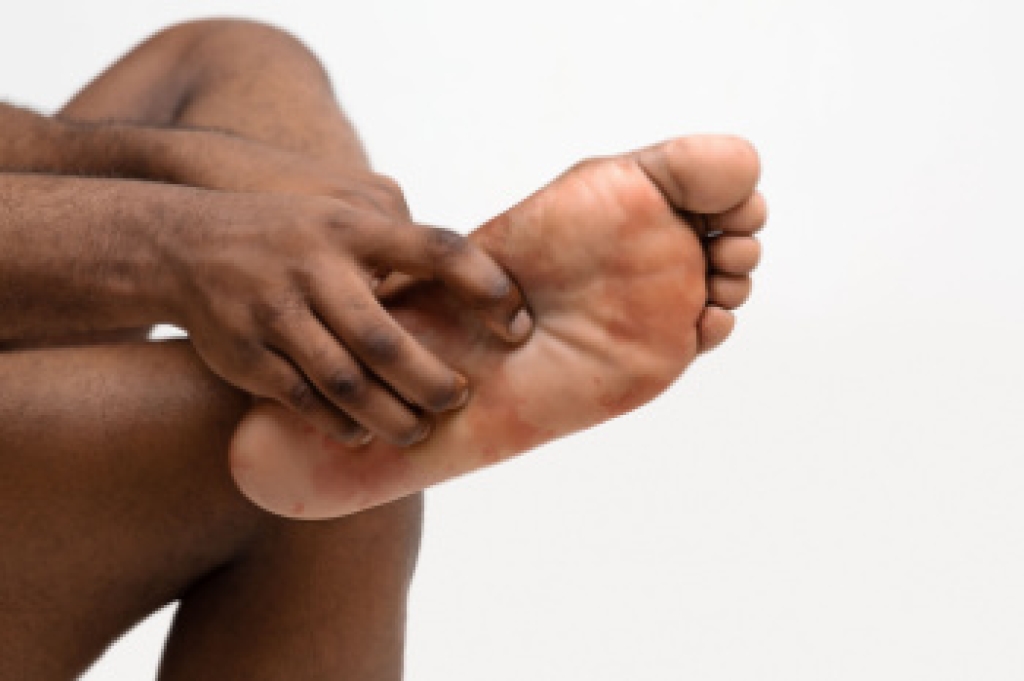
Gout can easily be identified by redness and inflammation of the big toe and the surrounding areas of the foot. Other symptoms include extreme fatigue, joint pain, and running high fevers. Sometimes corticosteroid drugs can be prescribed to treat gout, but the best way to combat this disease is to get more exercise and eat a better diet.

If you have any questions, please feel free to contact our offices located in Glen Burnie and Ellicott City, MD . We offer the newest diagnostic and treatment technologies for all your foot care needs.
Read more about Everything You Need to Know About Gout

Painful Blisters

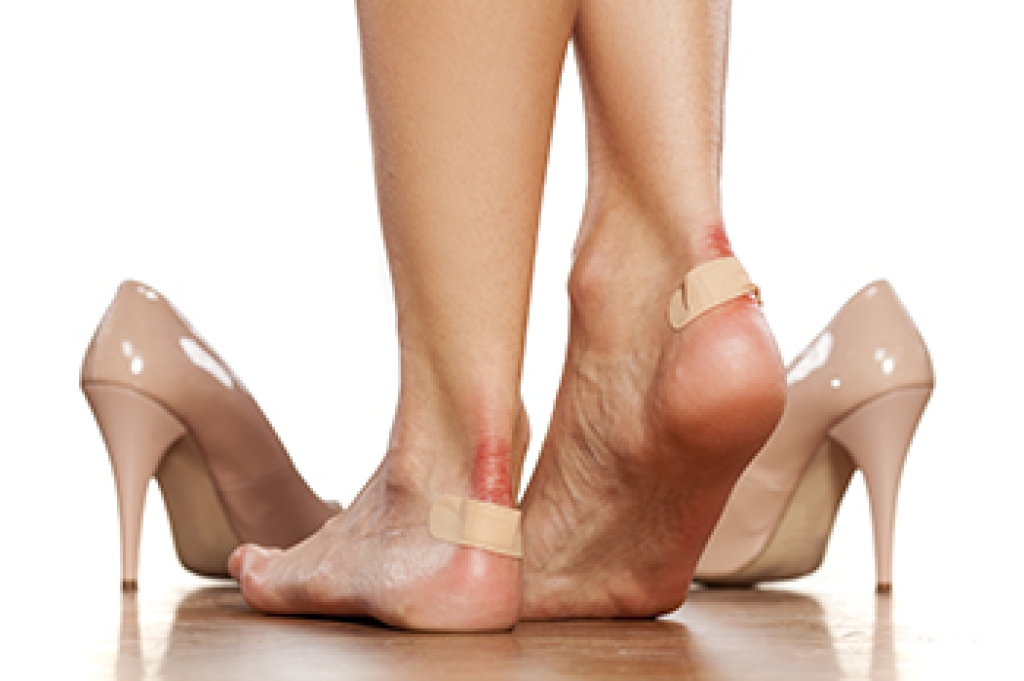
Blisters on the feet are fluid- filled pockets that develop in response to friction, heat, or moisture. They are often the result of wearing ill-fitting shoes or increased activity. These areas may appear as raised, clear bubbles on the skin and can feel tender, especially when walking or wearing shoes. The surrounding skin may be red or irritated, and if the blister breaks, it can become painful and vulnerable to infection. People with diabetes should be especially cautious, as even small blisters can lead to more serious complications. A podiatrist can evaluate the cause of recurring blisters and help prevent them from returning. Treatment includes protecting the area, safely draining larger blisters when appropriate, and recommending proper footwear or padding to reduce friction. Guidance on foot hygiene and skin care can also support healing and prevention. If you have painful or recurring blisters on your feet, it is suggested that you schedule an appointment with a podiatrist for appropriate management solutions.

Blisters are prone to making everyday activities extremely uncomfortable. If your feet are hurting, contact Darlyne Cange, DPM of Cange Podiatry, DPM, PA. Our doctor can provide the care you need to keep you pain-free and on your feet.

Foot Blisters

Foot blisters develop as a result of constantly wearing tight or ill-fitting footwear. This happens due to the constant rubbing from the shoe, which can often lead to pain.

What Are Foot Blisters?

A foot blister is a small fluid-filled pocket that forms on the upper-most layer of the skin. Blisters are filled with clear fluid and can lead to blood drainage or pus if the area becomes infected.

How Do Blisters Form?

Blisters on the feet are often the result of constant friction of skin and material, usually by shoe rubbing. Walking in sandals, boots, or shoes that don’t fit properly for long periods of time can result in a blister. Having consistent foot moisture and humidity can easily lead to blister formation.

Prevention & Treatment

It is important to properly care for the affected area in order to prevent infection and ease the pain. Do not lance the blister and use a Band-Aid to provide pain relief. Also, be sure to keep your feet dry and wear proper fitting shoes. If you see blood or pus in a blister, seek assistance from a podiatrist.

If you have any questions, please feel free to contact our offices located in Glen Burnie and Ellicott City, MD . We offer the newest diagnostic and treatment technologies for all your foot care needs.

Read more about Blisters on the Feet

Why Feet May Stay Larger After Pregnancy

Many women notice that their feet remain larger after pregnancy due to physical changes that occur during this time. Increased body weight places added stress on the feet, which can cause the arches to flatten and lengthen. Hormonal changes also play a role by relaxing ligaments, including those in the sole, leading to permanent structural changes. This added strain can result in discomfort, fatigue, and difficulty finding properly fitting shoes. Risk factors include multiple pregnancies, significant weight gain, and prolonged standing. These changes may also affect overall foot function and alignment, if not addressed. A podiatrist can evaluate these changes, recommend supportive footwear, and provide custom orthotics to improve comfort and stability. If you have noticed any uncomfortable changes in your feet during or after your pregnancy, it is suggested that you consult a podiatrist who can offer relief remedies with personalized care.

Pregnant women with swollen feet can be treated with a variety of different methods that are readily available. For more information about other cures for swollen feet during pregnancy, consult with Darlyne Cange, DPM from Cange Podiatry, DPM, PA. Our doctor will attend to all of your foot and ankle needs.

What Foot Problems Can Arise During Pregnancy?

One problem that can occur is overpronation, which occurs when the arch of the foot flattens and tends to roll inward.  This can cause pain and discomfort in your heels while you’re walking or even just standing up, trying to support your baby.  

Another problem is edema, or swelling in the extremities. This often affects the feet during pregnancy but tends to occur in the later stages. 

How Can I Keep My Feet Healthy During Pregnancy?

  • Wearing orthotics can provide extra support for the feet and help distribute weight evenly
  • Minimize the amount of time spent walking barefoot
  • Wear shoes with good arch support
  • Wear shoes that allow for good circulation to the feet
  • Elevate feet if you experience swelling
  • Massage your feet
  • Get regular, light exercise, such as walking, to promote blood circulation to the feet

If you have any questions, please feel free to contact our offices located in Glen Burnie and Ellicott City, MD . We offer the newest diagnostic and treatment technologies for all your foot care needs.
Read more about Pregnancy and Foot Health

Do You Suffer From Painful Feet?

Painful deformities, such as hammertoes, can be treated. Stop living with foot pain, and have beautiful feet again!

Connect With Us

Advanced Podiatric Procedures & Services in the Anne Arundel County, MD: Glen Burnie, Severna Park, Pasadena, Linthicum, Crofton, Arnold, Annapolis, Hanover, Howard County, MD: Ellicott City, Columbia, Elkridge, Laurel, Savage, Baltimore County, MD: Catonsville, Arbutus, Towson, Pikesville, Woodlawn areas